Travel Insurance Cancellation Policy Explained
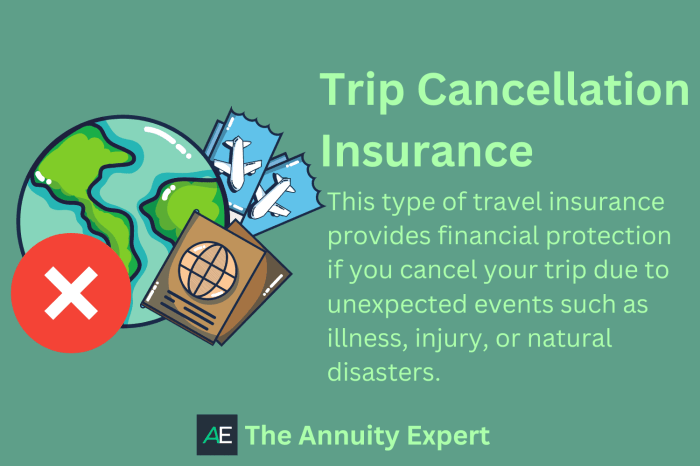
Travel insurance cancellation policy explained – Travel insurance cancellation policies typically cover a range of scenarios that may force a traveler to cancel their trip. This coverage can include illness, injury, or death of the traveler or a family member, severe weather impacting travel plans, or unexpected work-related issues.
Process of Canceling a Trip and Filing a Claim
When a traveler needs to cancel their trip, they must inform their travel insurance company as soon as possible. They will need to provide documentation supporting the reason for cancellation, such as medical records or a death certificate. The insurance company will review the claim and determine if it meets the criteria for coverage under the policy.
Scenarios Requiring Utilization of Cancellation Policy
1. Medical Emergency
If the traveler falls ill or is injured before the trip, they may need to cancel and file a claim.
2. Family Emergency
In case of a family member’s illness or death, the traveler may need to cancel their trip.
3. Work-related Obligations
Unforeseen work commitments can also lead to trip cancellations.
4. Natural Disasters
Severe weather or natural disasters affecting the destination can result in trip cancellations.
Travel Destinations
When it comes to travel destinations, each place has its own unique cancellation policies that travelers should be aware of before booking their trip. Whether you’re heading to a beach resort, a bustling city, or a remote mountain retreat, understanding the cancellation policies can help you plan your trip with peace of mind.
Popular Travel Destinations Known for Their Cancellation Policies
- Beach Resorts: Many beach resorts offer flexible cancellation policies due to the unpredictable nature of weather conditions. Some may allow cancellations up to 24 hours before check-in without any penalty.
- Cities: Major cities around the world often have stricter cancellation policies, especially during peak tourist seasons. It’s common to see penalties for cancellations made closer to the travel dates.
- Remote Destinations: Remote destinations, such as eco-lodges or safari camps, may have unique cancellation policies due to their limited availability and high demand. Travelers may need to cancel well in advance to avoid penalties.
Researching Destination-Specific Cancellation Policies
Before booking your trip, it’s essential to research the destination-specific cancellation policies to avoid any surprises. Here are a few tips on how travelers can do this:
- Check the hotel or accommodation website: Most hotels and resorts will have their cancellation policies clearly Artikeld on their website. Look for terms and conditions related to cancellations and refunds.
- Read reviews and forums: Travelers often share their experiences with cancellation policies on review sites and travel forums. This can give you an idea of how flexible or strict a particular destination is.
- Contact the property directly: If you have specific questions about the cancellation policy, don’t hesitate to reach out to the property directly. They can provide you with detailed information and clarify any doubts you may have.
Flight Deals
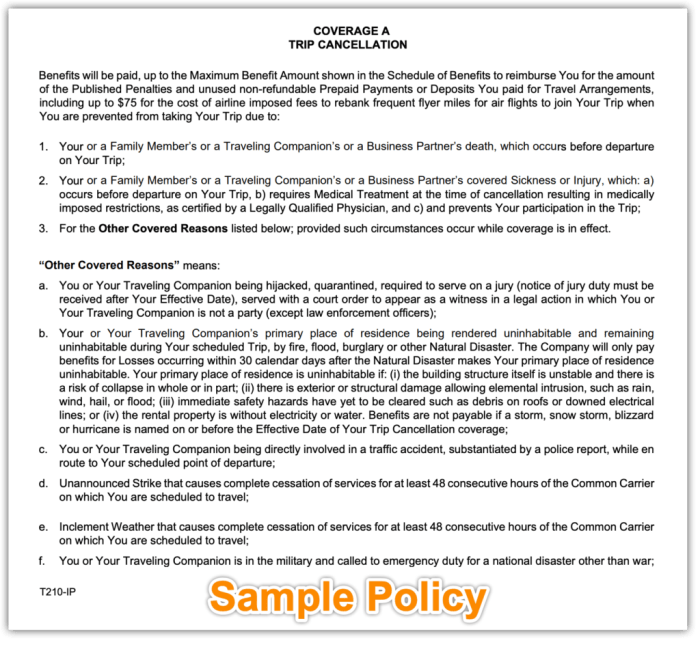
When it comes to travel insurance cancellation policies, flight deals play a crucial role in determining the flexibility and coverage of your insurance plan. Selecting the right flight deal can make a significant difference in how much you might have to pay in cancellation fees and what expenses are covered by your insurance.
Impact of Flight Deals on Insurance Policies
- Flight deals with flexible cancellation policies may align better with travel insurance plans that offer cancellation coverage.
- Choosing non-refundable flight deals could result in higher cancellation fees if your trip gets canceled or delayed.
- Insurance providers may have specific requirements regarding the type of flights covered under their cancellation policies, so it is essential to review the terms carefully.
Tips for Selecting Flight Deals
- Look for flight deals that offer free cancellations or allow changes without hefty fees.
- Consider purchasing refundable tickets for added flexibility, especially if you are unsure about your travel plans.
- Compare the cancellation policies of different airlines to find the best option that suits your needs and budget.
Relationship Between Flight Deals, Cancellation Fees, and Insurance Coverage
- Insurance coverage may vary based on the type of flight deals you choose, with some plans offering more comprehensive coverage for flexible tickets.
- Non-refundable flight deals may lead to higher cancellation fees, which could impact the reimbursement amount provided by your insurance policy.
- Understanding the interplay between flight deals, cancellation fees, and insurance coverage can help you make informed decisions when planning your trip.
Vacation Packages
Planning a vacation can be exciting, but it’s essential to understand the cancellation policies that come with all-inclusive vacation packages. These packages often include flights, accommodations, meals, and activities, making them convenient options for travelers. However, they also have specific cancellation rules that travelers should be aware of to avoid any financial loss.
Cancellation Policies for Vacation Packages
When comparing vacation packages from different providers, it’s crucial to look closely at their cancellation policies. While some providers may offer full refunds for cancellations made within a certain timeframe, others may charge hefty fees or provide only partial refunds.
It’s essential to consider these factors when booking a vacation package to ensure you understand the financial implications of any changes to your travel plans.
- Provider A: Provider A offers a full refund for cancellations made at least 30 days before the travel date. However, cancellations made within 30 days may result in a significant penalty.
- Provider B: Provider B allows cancellations up to 14 days before the travel date with a full refund. After that, a percentage of the total cost may be non-refundable.
- Provider C: Provider C offers flexible cancellation options with no penalties for cancellations made up to 7 days before the travel date. However, last-minute cancellations may result in a partial refund or credit for future travel.
It’s important to carefully read the fine print of cancellation policies for vacation packages to avoid any surprises or unexpected charges.
Hotel Reservations
When it comes to hotel reservations, understanding the cancellation policies is crucial to avoid any financial loss. Hotels have varying policies in place to handle cancellations and refunds, which can greatly impact your travel plans.
Flexible vs. Non-Flexible Cancellation Policies
- Flexible Cancellation Policies: Some hotels offer flexible cancellation policies that allow you to cancel your reservation closer to the check-in date without incurring any penalties. These policies usually come at a higher price but provide peace of mind in case your plans change.
- Non-Flexible Cancellation Policies: On the other hand, non-flexible cancellation policies are more restrictive and may require you to cancel within a specific timeframe to receive a refund. In some cases, you may lose a percentage of your payment or even the full amount if you cancel outside the allowed window.
Role of Travel Insurance
Travel insurance can play a significant role in protecting your hotel reservation cancellations. By including trip cancellation coverage in your policy, you can receive reimbursement for prepaid, non-refundable hotel reservations if you need to cancel for a covered reason, such as illness, injury, or a natural disaster.
It provides an added layer of protection and peace of mind, especially when dealing with non-flexible cancellation policies.
Adventure Travel
When it comes to adventure travel, the cancellation policies can differ significantly from traditional vacations due to the nature of the activities involved. These experiences often come with higher risks and unique challenges that need to be considered.
Cancellation Policy Variations
One of the main differences in cancellation policies for adventure travel is the inclusion of specific clauses related to extreme or hazardous activities. Unlike regular vacations, adventure trips may involve activities like skydiving, mountain climbing, or white water rafting, which carry inherent risks.
As a result, insurance providers may have stricter cancellation terms to account for these factors.
Benefits of Travel Insurance for Adventure Trips
- Case Study: Sarah’s Hiking Expedition
Sarah had booked a hiking expedition to the Himalayas but had to cancel her trip unexpectedly due to a medical emergency. Thanks to her comprehensive travel insurance, she was able to recover the non-refundable costs and reschedule her adventure once she recovered.
Importance of Comprehensive Coverage
Comprehensive coverage is crucial for adventure travel scenarios because it protects travelers against unforeseen circumstances that can disrupt or cancel their trip. From extreme weather conditions to sudden medical emergencies, having robust insurance coverage ensures that travelers can recover their expenses and rebook their adventure at a later date.
Tourist Attractions
When it comes to canceling tickets for tourist attractions, travelers may encounter a range of cancellation policies that vary depending on the attraction. It’s important for travelers to understand these policies to avoid any unexpected costs or issues. Let’s explore how cancellation policies differ for tickets to tourist attractions and discuss strategies for navigating attraction-specific terms.
Strict vs. Lenient Cancellation Policies
- Some tourist attractions have strict cancellation policies where tickets are non-refundable or only partially refundable if canceled within a certain timeframe.
- On the other hand, some attractions offer more lenient cancellation policies, allowing travelers to cancel or modify their tickets with minimal or no fees.
- Examples of attractions with strict cancellation policies may include popular theme parks or exclusive tours with limited availability.
- Attractions with lenient cancellation policies could include museums or outdoor activities that are more flexible with changes.
Strategies for Travelers
- Read the cancellation policy carefully before purchasing tickets to a tourist attraction to understand the terms and conditions.
- Consider purchasing travel insurance that covers cancellations for tourist attractions to protect yourself in case of unforeseen circumstances.
- Try to book tickets directly through the attraction’s official website or a reputable ticketing platform that offers transparent cancellation policies.
- If unsure about the cancellation policy, reach out to the attraction’s customer service for clarification before making a purchase.
Road Trips: Travel Insurance Cancellation Policy Explained
When it comes to road trips, travel insurance can be just as important as for other forms of travel. Whether it’s unexpected car trouble, illness, or other unforeseen circumstances, having a cancellation policy in place can provide peace of mind and financial protection.
Planning Road Trips with Flexible Cancellation Options
- Consider booking accommodations and activities that offer flexible cancellation policies. This way, if your plans change, you won’t be stuck with hefty cancellation fees.
- Look for travel insurance policies that specifically cover road trips and provide coverage for trip cancellations due to unexpected events.
- Check the fine print of your insurance policy to understand what is covered and what documentation you may need to provide in case of cancellation.
Implications of Unexpected Circumstances on Road Trip Cancellation Policies
- Car trouble: If your vehicle breaks down and you’re unable to continue your road trip, having travel insurance with trip cancellation coverage can help recoup some of the costs.
- Illness or injury: If you or a travel companion falls ill or gets injured during the road trip, causing a cancellation, having insurance can help with reimbursement for non-refundable expenses.
- Weather emergencies: In case of severe weather conditions that prevent you from continuing your road trip, a travel insurance policy can provide coverage for trip interruptions or cancellations.
Travel Guides
Travel guides play a crucial role in helping travelers navigate through the complexities of cancellation policies when booking trips. They provide valuable information on insurance coverage options and offer insights that can influence travelers’ decisions.
Role of Travel Guides
Travel guides serve as a trusted source of information for travelers looking to understand the intricacies of cancellation policies. They break down complex insurance jargon and explain the benefits of different coverage options, helping travelers make informed decisions.
- Travel guides often highlight the importance of purchasing travel insurance with comprehensive cancellation coverage to protect against unforeseen circumstances.
- They provide step-by-step guides on how to navigate insurance claims processes in case of trip cancellations, guiding travelers on the necessary steps to take.
- Travel guides may also offer tips on how to choose the right insurance policy based on individual travel needs and preferences.
Influence on Travelers’ Decisions, Travel insurance cancellation policy explained
Travel guides can greatly influence travelers’ decisions regarding insurance coverage by providing valuable insights and recommendations.
- By highlighting the risks associated with not having adequate insurance coverage, travel guides encourage travelers to prioritize protection against trip cancellations.
- They showcase real-life scenarios where travel insurance with cancellation coverage proved to be a lifesaver, emphasizing the importance of being prepared for unexpected events.
- Travel guides may compare different insurance providers and policies, helping travelers choose the most suitable option based on their budget and travel plans.
Importance of Up-to-date Information
Having up-to-date information in travel guides related to cancellation policies is essential for ensuring travelers have access to accurate and reliable guidance.
- Changes in travel regulations and insurance policies can impact cancellation coverage, making it important for travel guides to provide current information to travelers.
- By staying abreast of the latest developments in the travel industry, travel guides can offer relevant advice on insurance coverage options that align with current travel trends.
- Up-to-date information helps travelers make well-informed decisions when purchasing travel insurance, ensuring they have the necessary coverage in place for their trips.
Budget Travel
When it comes to budget travel, finding affordable accommodations and services is key for many travelers looking to save money on their trips. However, the impact of these budget options on cancellation policies can sometimes be a concern. Let’s take a closer look at how budget travel accommodations and services affect cancellation policies, and explore strategies for budget travelers to make the most of their travel insurance coverage while weighing cost savings against cancellation policy flexibility.
Impact of Budget Travel Accommodations on Cancellation Policies
- Budget accommodations may have stricter cancellation policies compared to higher-end options, with limited or no refunds available for cancellations.
- Some budget airlines or bus companies may offer non-refundable tickets, making it challenging for travelers to recoup their costs in case of cancellations.
- Budget travel packages or deals may come with more restrictions and penalties for cancellations, affecting travelers’ ability to change or cancel their plans without financial consequences.
Strategies for Maximizing Travel Insurance Coverage
- Consider purchasing travel insurance that specifically covers trip cancellations due to unforeseen circumstances, such as illness, natural disasters, or job loss.
- Read the fine print of your travel insurance policy to understand what is covered and any exclusions that may apply to budget accommodations or services.
- Opt for a cancel-for-any-reason (CFAR) travel insurance policy if you want more flexibility in canceling your trip, even if it comes at a higher cost.
Trade-offs Between Cost Savings and Cancellation Policy Flexibility
- While budget travel options can save you money upfront, they may limit your ability to cancel or change plans without incurring additional costs.
- Choosing budget accommodations or services with more lenient cancellation policies may come at a higher price, but provide more peace of mind and flexibility in case of unexpected changes.
- Balancing cost savings with cancellation policy flexibility is essential for budget travelers, as it allows them to protect their investment while still enjoying affordable travel experiences.
Detailed FAQs
What does a typical travel insurance cancellation policy cover?
Travel insurance cancellation policies typically cover unforeseen events like illness, natural disasters, or job loss that force you to cancel your trip.
How can I research destination-specific cancellation policies?
Before booking, check the cancellation policies of your travel destination on the official websites of airlines, hotels, and tour operators.
Do budget travel accommodations affect cancellation policies?
Yes, budget travel accommodations may have stricter cancellation policies, so it’s important to understand the terms before booking.