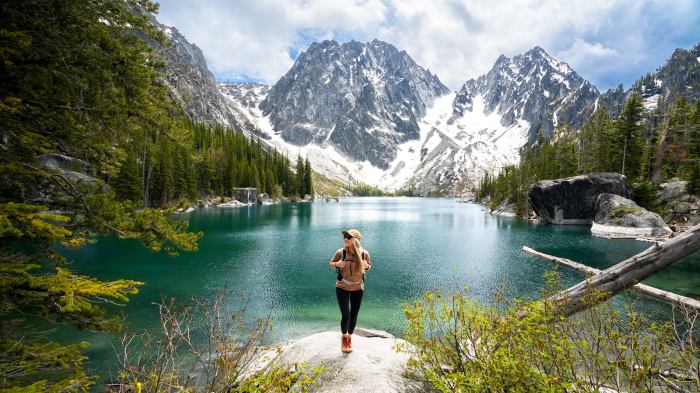
Planning a Group Hiking Trip
How to organize a group hiking trip – Planning ahead is crucial for a successful group hiking trip as it helps ensure that all necessary arrangements are made, potential issues are addressed, and everyone is on the same page. Here are some key aspects to consider when planning a group hiking trip:
Setting a Budget for the Trip
- Discuss with the group members to determine a reasonable budget that works for everyone.
- Consider costs such as transportation, accommodation, food, permits, and any gear needed.
- Factor in emergency funds for unexpected expenses or situations that may arise during the trip.
- Research cost-effective options for accommodations, transportation, and meals to stay within the budget.
Benefits of Creating a Detailed Itinerary
Creating a detailed itinerary for the hiking trip can offer several benefits to the group:
- Helps in organizing the trip efficiently by outlining the daily schedule, including hiking routes, rest stops, and activities.
- Ensures that everyone is aware of the plan, reducing confusion and chances of getting lost during the hike.
- Allows for better time management, ensuring that the group stays on track and can make the most of the hiking experience.
- Provides a sense of security and preparedness, especially in case of emergencies or unexpected events.
Choosing the Destination
When organizing a group hiking trip, selecting the right destination is crucial to ensure a successful and enjoyable experience for everyone involved. Here are some key factors to consider when choosing a hiking destination:
Difficulty Level
- Consider the fitness levels and hiking experience of the group members.
- Choose a trail that matches the group’s abilities to avoid any safety issues or difficulties along the way.
Distance
- Take into account the length of the hike and the time it will take to complete the trail.
- Ensure that the distance is manageable for all group members, including beginners or those with physical limitations.
Facilities
- Check if the hiking destination has amenities such as restrooms, water sources, and camping areas.
- Consider whether the location provides enough resources for the group’s needs during the trip.
Researching Regulations and Permits
Before finalizing the destination, it is essential to research any regulations or permit requirements in the area:
- Look into any permits needed for hiking in the chosen location and make sure to obtain them in advance.
- Understand and follow the rules set by the park or trail authorities to ensure a responsible and respectful visit.
Organizing Transportation: How To Organize A Group Hiking Trip
When planning a group hiking trip, organizing transportation is a crucial aspect to ensure everyone can reach the destination comfortably and on time. Whether you are arranging carpooling or considering renting vehicles, proper coordination is key to a successful outdoor adventure.
Carpooling Options
- Encourage participants to carpool to reduce the number of vehicles needed and minimize the environmental impact of the trip.
- Create a sign-up sheet or group chat to facilitate carpool arrangements, allowing individuals to coordinate meeting points, departure times, and other logistics.
- Establish a fair system for sharing gas expenses among carpoolers to ensure a smooth and equitable journey for all.
Renting Vehicles or Hiring Transportation Services
- If carpooling is not feasible, consider renting a van or larger vehicle to accommodate the entire group comfortably.
- Research rental companies in advance to compare prices, availability, and rental policies to select the best option for your group.
- Ensure all drivers are properly licensed and comfortable driving the rented vehicle to guarantee a safe and enjoyable trip for all participants.
Packing Essentials
When preparing for a group hiking trip, packing the right essentials is crucial to ensure everyone’s safety, comfort, and enjoyment throughout the journey. Each item serves a specific purpose and contributes to the overall success of the adventure.
Essential Items and Their Importance
- First Aid Kit: A first aid kit is essential for addressing minor injuries and medical emergencies that may occur during the hike. It should contain bandages, antiseptic wipes, pain relievers, and other necessary supplies.
- Navigation Tools: Bringing a map, compass, or GPS device is vital for staying on course and avoiding getting lost in unfamiliar terrain. These tools help navigate the group safely to their destination.
- Proper Footwear: Wearing sturdy and comfortable hiking boots or shoes is crucial to prevent blisters, injuries, and ensure stability on various terrains. Proper footwear provides support and traction for a smooth hiking experience.
- Water and Snacks: Staying hydrated and fueled is important during a hike to maintain energy levels. Each member should carry an ample supply of water and nutritious snacks to keep themselves refreshed throughout the journey.
- Layered Clothing: Packing appropriate clothing layers for changing weather conditions is essential. This includes moisture-wicking base layers, insulating mid-layers, and waterproof outer layers to stay dry and comfortable.
Tips on Distributing Group Gear and Responsibilities
- Assign Gear Responsibilities: Divide essential gear among group members to distribute the weight evenly and ensure everyone contributes to carrying essential items. Assign specific roles for first aid kit, navigation tools, and communal gear.
- Communicate Effectively: Establish clear communication regarding gear distribution and responsibilities before the hike. Ensure that each member understands their role and the importance of their assigned gear.
- Create a Checklist: Develop a comprehensive checklist of essential items to pack and assign tasks for each member to gather specific gear. This helps in organizing and tracking the necessary equipment for the hike.
- Encourage Teamwork: Emphasize the importance of teamwork and cooperation in sharing gear and responsibilities among group members. Encourage collaboration and support throughout the hiking trip.
Safety and Emergency Preparedness
When organizing a group hiking trip, safety should always be a top priority. Being prepared for emergencies and knowing how to handle unexpected situations can make all the difference in ensuring a successful and safe outdoor adventure.
Creating an Emergency Plan and Communication Strategy
Having a well-thought-out emergency plan in place is crucial for any hiking trip. Here are some tips on creating an effective emergency plan and communication strategy:
- Designate a group leader who is responsible for overseeing emergency procedures and communication.
- Ensure that all participants have a basic understanding of first aid and emergency protocols.
- Create a list of emergency contacts and make sure everyone knows how to reach them in case of an emergency.
- Determine a meeting point in case the group gets separated during the hike.
- Establish a communication method, such as walkie-talkies or cell phones, to stay in touch with the group at all times.
Handling Unexpected Situations or Emergencies While Hiking
Even with careful planning, unexpected situations can arise during a hiking trip. Here’s how to handle emergencies while hiking:
- Stay calm and assess the situation before taking any action.
- If someone in the group is injured, provide first aid and seek help immediately.
- If lost, stay in one place and use a whistle or other signaling device to attract attention.
- Be prepared to spend the night outdoors if necessary by carrying essentials like a flashlight, extra food, and a space blanket.
- In case of severe weather conditions, seek shelter and wait for conditions to improve before continuing.
Enjoying Outdoor Activities
Outdoor activities provide a fantastic opportunity for group bonding, allowing participants to connect with nature and each other in a unique setting. The shared experience of overcoming challenges, enjoying beautiful landscapes, and spending quality time together strengthens relationships and creates lasting memories.
Fun Activities to Incorporate During the Hiking Trip
Here are some ideas for fun activities to enhance your group hiking trip:
- Organize a scavenger hunt along the trail to add an element of excitement and teamwork.
- Plan a campfire night with storytelling, singing, or stargazing to create a cozy and memorable evening.
- Set up a group picnic at a scenic spot along the trail to enjoy a delicious meal together amidst nature.
- Arrange a sunrise or sunset hike to witness breathtaking views and capture stunning photos.
Capturing Memorable Moments and Creating Lasting Memories, How to organize a group hiking trip
To ensure you capture and cherish the special moments during your group hiking trip, consider the following tips:
- Designate a designated photographer within the group to document the journey and take group photos.
- Encourage everyone to unplug and be fully present in the moment, soaking in the beauty of nature without distractions.
- Create a shared photo album or video montage after the trip to reminisce and relive the experience together.
- Take time to reflect and share highlights of the trip with each other, fostering a sense of gratitude and appreciation for the shared adventure.
Commonly Asked Questions
How far in advance should I start planning a group hiking trip?
You should ideally start planning a group hiking trip at least 3-6 months in advance to ensure availability of accommodations and permits.
What should I do in case of an emergency during the hiking trip?
Make sure to have a well-defined emergency plan in place with designated leaders and emergency contacts. Stay calm and follow the plan if any unexpected situation arises.
Is it necessary to rent vehicles for a group hiking trip?
Renting vehicles can make transportation easier, especially for larger groups or remote locations. However, carpooling is also a cost-effective option to consider.