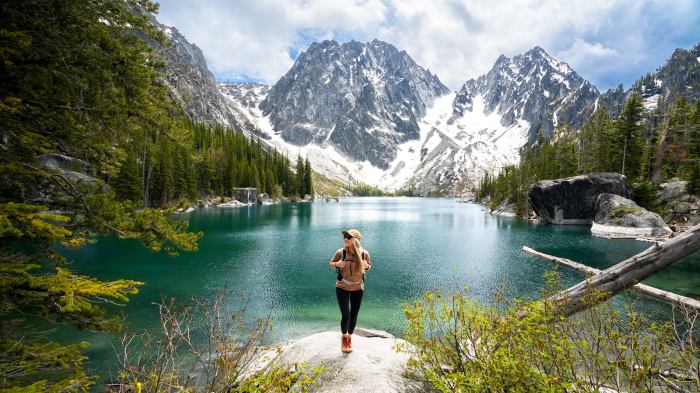
Best hiking trails for beginners
Best hiking trails for beginners – Embarking on a hiking adventure can be an exciting experience, especially for beginners looking to explore the great outdoors. Here are the top 5 beginner-friendly hiking trails around the world that offer stunning views and manageable terrains for those new to hiking.
1. Appalachian Trail, USA
- Unique Features:Scenic views, well-marked trails, and a supportive hiking community.
- Difficulty Level:Easy to moderate.
- Distance:Approximately 2,200 miles.
- Estimated Time:Varies depending on sections.
Tip: Start with shorter day hikes to build endurance before attempting longer sections of the trail.
2. Camino de Santiago, Spain
- Unique Features:Historical sites, charming villages, and well-established infrastructure for hikers.
- Difficulty Level:Easy to moderate.
- Distance:Various routes ranging from 100 to 500 miles.
- Estimated Time:Typically 1 to 4 weeks, depending on the chosen route.
Tip: Pack light and wear comfortable hiking shoes to enjoy the journey without unnecessary weight.
3. Cinque Terre, Italy
- Unique Features:Coastal views, colorful villages, and well-maintained trails.
- Difficulty Level:Easy.
- Distance:Approximately 7.5 miles.
- Estimated Time:4 to 5 hours for a leisurely hike.
Tip: Stay hydrated and take breaks to soak in the picturesque surroundings along the trail.
4. Tongariro Alpine Crossing, New Zealand
- Unique Features:Volcanic landscapes, emerald lakes, and diverse ecosystems.
- Difficulty Level:Moderate.
- Distance:Approximately 12 miles.
- Estimated Time:6 to 8 hours to complete the full crossing.
Tip: Check weather conditions and dress in layers to prepare for changing temperatures during the hike.
5. Inca Trail, Peru
- Unique Features:Ancient ruins, cloud forests, and breathtaking mountain views.
- Difficulty Level:Moderate.
- Distance:Approximately 26 miles.
- Estimated Time:4 days to complete the classic trek to Machu Picchu.
Tip: Acclimatize to the altitude before starting the hike and book with a reputable tour operator for a safe and enjoyable experience.
Essential gear for beginner hikers
As a beginner hiker, having the right gear can make all the difference in ensuring a safe and enjoyable hiking experience. Here is a checklist of must-have gear for beginners embarking on their first hiking trip.
Proper Footwear
Choosing the right hiking boots or shoes is crucial for a comfortable and safe hike. Look for footwear that provides good ankle support, traction, and waterproofing. Make sure the boots/shoes are broken in before hitting the trails to prevent blisters and discomfort.
Clothing
Dress in layers to accommodate changing weather conditions. Opt for moisture-wicking and quick-drying fabrics to keep you dry and comfortable. Don’t forget to pack a hat, sunglasses, and gloves for sun protection.
Hydration, Best hiking trails for beginners
Staying hydrated is essential while hiking. Carry an adequate supply of water or invest in a hydration pack. Consider bringing electrolyte tablets or sports drinks to replenish lost nutrients on longer hikes.
Navigation Tools
Even on well-marked trails, it’s wise to carry a map, compass, or GPS device. Familiarize yourself with the trail route before setting off and know how to use your navigation tools effectively.
Budget-Friendly Gear Options
For beginners on a budget, there are affordable gear options available. Consider purchasing second-hand gear, borrowing from friends, or looking for sales and discounts at outdoor retailers. Remember that quality gear doesn’t always have to come with a hefty price tag.
Safety tips for beginner hikers
Before embarking on your first hiking adventure, it’s crucial to prioritize safety. Taking essential precautions can make all the difference in ensuring a safe and enjoyable experience on the trails.Researching the trail you plan to hike is a fundamental step in preparing for your journey.
Understanding the terrain, length, and difficulty level of the trail will help you set realistic expectations and be better equipped for the hike ahead. Additionally, informing someone of your hiking plans, including your expected return time, can be a lifesaving measure in case of emergencies.
Dealing with common challenges
- Getting lost: Always carry a map, compass, or GPS device to avoid getting lost on unfamiliar trails. Stay on marked paths and pay attention to trail markers to ensure you stay on course.
- Encountering wildlife: Be aware of your surroundings and make noise while hiking to alert wildlife of your presence. Keep a safe distance and never approach or feed wild animals.
- Unexpected weather changes: Check the weather forecast before your hike and be prepared with appropriate clothing layers, rain gear, and extra food and water. In case of sudden weather changes, seek shelter and wait for conditions to improve.
Staying safe and enjoying the experience
- Start slow and gradually increase the difficulty of your hikes to build stamina and confidence.
- Stay hydrated and take breaks as needed to rest and refuel your energy.
- Wear proper footwear and clothing to ensure comfort and protection on the trails.
- Listen to your body and know your limits. Don’t push yourself beyond what you can handle.
- Respect nature, leave no trace, and always follow established trail guidelines to preserve the environment for future hikers.
Holidays and Vacations Outdoor Activities
Spending holidays and vacations engaging in outdoor activities like hiking can bring a plethora of benefits to both physical and mental well-being. Not only does it provide an opportunity to explore the beauty of nature, but it also offers a chance to disconnect from the stresses of daily life and rejuvenate the mind and body.
Outdoor activities have been proven to improve physical health by promoting cardiovascular fitness, muscle strength, and overall endurance. Hiking, in particular, helps burn calories, strengthen muscles, and improve balance and coordination. Moreover, being surrounded by nature can have a positive impact on mental health, reducing stress levels, anxiety, and depression.
Planning outdoor adventures during holidays and vacations requires careful consideration of factors such as location, weather conditions, duration, and difficulty level. It is essential to pack appropriate gear, research the trails, and ensure safety measures are in place to make the most of the experience.
Other Outdoor Activities
There are several outdoor activities besides hiking that cater to various skill levels and interests:
- 1. Cycling: Whether on mountain trails or scenic roads, cycling offers a great way to explore the outdoors and improve cardiovascular fitness.
- 2. Camping: Spending nights under the stars, camping allows for a closer connection to nature and a break from the hustle and bustle of city life.
- 3. Kayaking: Ideal for water enthusiasts, kayaking provides a unique perspective of the surroundings and a full-body workout.
- 4. Rock Climbing: For those seeking a challenge, rock climbing tests strength, agility, and problem-solving skills in breathtaking natural settings.
- 5. Bird Watching: A peaceful and educational activity, bird watching allows for quiet observation of wildlife and appreciation of the environment.
FAQ: Best Hiking Trails For Beginners
What should beginners prioritize when preparing for a hiking trip?
Beginners should prioritize proper footwear, hydration, and familiarizing themselves with the trail. Safety is key!
How can beginners deal with unexpected weather changes while hiking?
Beginners should always check the weather forecast before hiking and be prepared with appropriate clothing and gear for any weather condition.
Is it necessary for beginners to inform someone of their hiking plans?
Yes, it’s crucial for beginners to inform someone of their hiking plans, including the trail they’ll be on and their expected return time, in case of emergencies.